
Privacy
-
Does a Black Box Really Redact a PDF? We Tested It
Black boxes can leave PDF content recoverable. Our tests show why applied redaction still needs hidden information cleanup and final file checks.
-
Browser Fingerprinting: What Sites Can Identify Even After You Clear Cookies
Browser fingerprinting combines observable browser and device characteristics. Clearing cookies or using a private window does not necessarily make you look new.
-
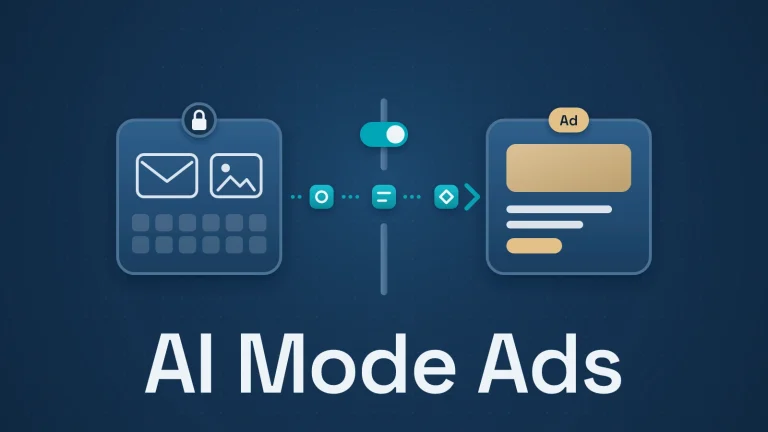
Your Gmail and Photos Could Influence Google’s AI Mode Ads
Google is testing personalized AI Mode ads using insights from connected apps. Learn what it means for Gmail, Photos, and your privacy controls.
-

Should You Turn On DNS over HTTPS? What It Hides — and What It Doesn’t
DNS over HTTPS hides plaintext DNS from the local network but shifts trust to a resolver. It does not hide every connection.
-

What Happens to Your Digital Life When You Die? Apple, Google, Facebook and the Accounts You Leave Behind
Apple, Google and Facebook do not simply transfer a deceased person’s account. Here is what their legacy tools can actually release, manage or delete—and what remains inaccessible.
-
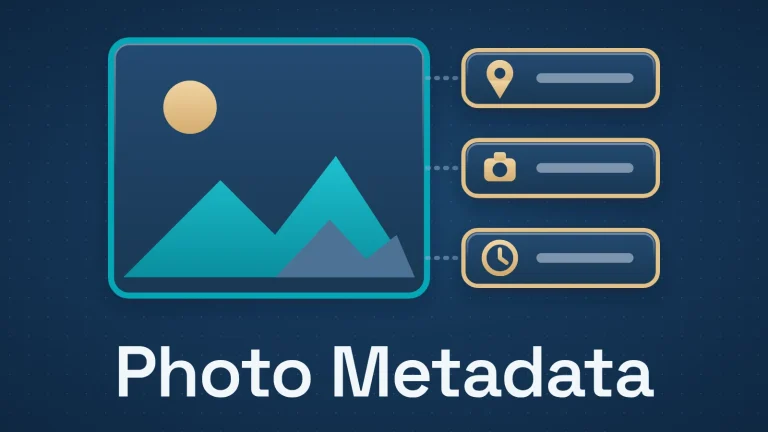
How to Remove Metadata From Photos: What Our Tests Showed
Our controlled tests show why removing GPS alone leaves identifying metadata, and how broader removal can affect a photo’s orientation and color profile.
-
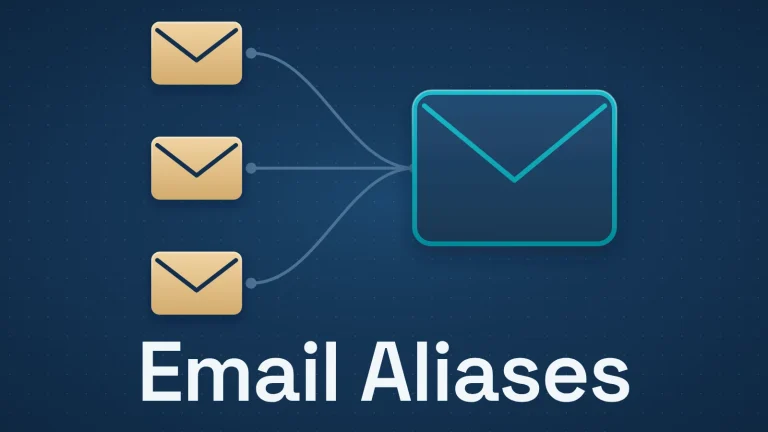
Email Aliases Aren’t All the Same: Gmail + Addresses, True Aliases, Masked Email and Relay Addresses
Gmail plus-addresses, provider-level aliases and masked relays can reach one inbox, but differ in privacy, sending, sign-in behavior and revocation options.